
Today’s name for God comes from Genesis 16.
Abram and Sarai have been promised a child by God—but the promise is taking longer than they expected. I can relate.
Instead of continuing to wait on God, they take matters into their own hands. Sarai gives Abram her Egyptian slave, Hagar, to be his wife in order to build a family through her. And Abram agrees (Genesis 16:2).
As is often the case when we choose our way over God’s, what we thought would make us happy actually makes us bitter. Hagar becomes pregnant, but Sarai is not pleased. Scripture tells us that Hagar despises Sarai, and Sarai responds by mistreating her. Abram, meanwhile, takes a hands-off approach—placing responsibility back on Sarai rather than owning his role in the situation. (Way to go, Abram.)
It’s worth pausing to imagine life from Hagar’s perspective. She is a woman, a slave, and a foreigner—without power, protection, or voice. Her body and future are decided for her. She is required to marry and become pregnant by an elderly man at the command of her mistress. Her desires are irrelevant; her consent is assumed. And now, pregnant, she faces the very real dangers of childbirth.
It’s no wonder she despises Sarai. This is not the life she would have chosen.
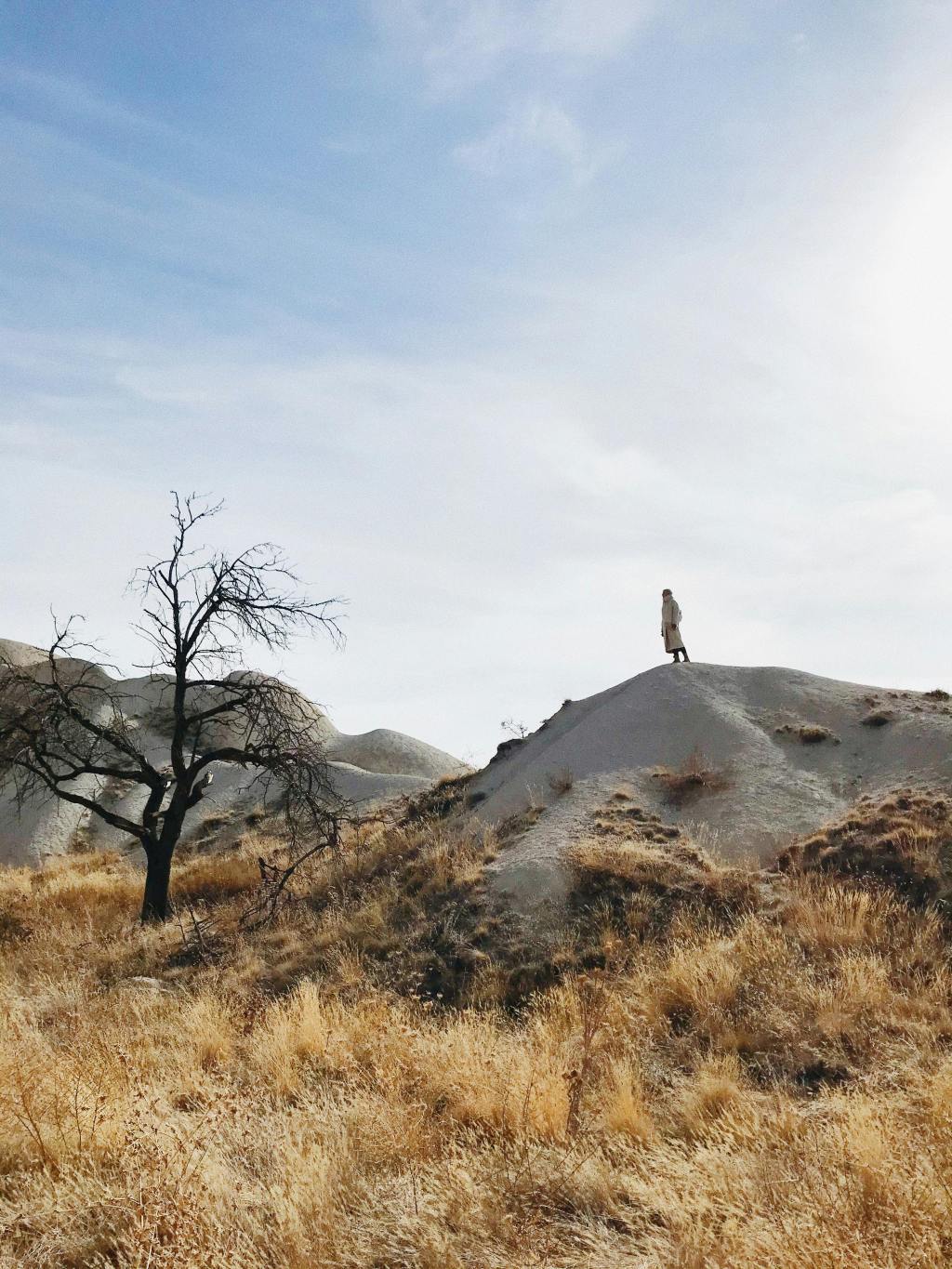
So Hagar runs away—because anything feels better than this.
And it is in her running that she encounters God.
She isn’t looking for Him, yet He meets her. He calls her by name. He asks where she has come from and where she is going. And then He tells her to return to her mistress and submit to her (Genesis 16:9). It’s a hard instruction—uncomfortable and unwanted. God does not promise her ease.
But He does give her a promise. He names her son—Ishmael, meaning God hears. He tells her that her descendants will be many. He is honest that her son’s life will not be easy.
After this encounter, something remarkable happens: Hagar names God.
Throughout Scripture, God typically names Himself. But here, this foreign slave woman—someone easily overlooked by the world—is the one who gives God a name: El Roi, the God who sees me. First, God sees Hagar. And then, Hagar sees God.
The chapter ends with Hagar returning to Abram and Sarai and giving birth to her son, Ishmael.
So what did it mean for Hagar to be seen by God—and what does it mean for us?
To be seen by God is not merely to be noticed; it is to be taken into account. To be seen by God means you are not overlooked, forgotten, or forsaken. God’s seeing does not remove hardship or guarantee an easier path. But His presence gives strength, courage, and endurance to walk the path He asks us to walk.
Just as God saw Hagar, I believe He still sees us today.
If I am honest, there are parts of my life I would not have chosen for my story. Seasons in my marriage. Choices others make that affect me. Diagnoses I have to live with. There have been many moments when I’ve wanted to throw in the towel, give up, and run away like Hagar—because it all feels like too much.
And for those very reasons, I’m deeply grateful for this passage of Scripture and for this name of God. He sees me. He doesn’t automatically swoop in and make everything better. But He reminds me that I am not alone. His presence gives me the strength and courage to keep showing up, to keep facing what’s in front of me, and to keep pressing on.
El Roi.
I can trust the God who sees me.

 Abide
Abide 
Leave a reply to pirateadventurousbd5ca8f5da Cancel reply